your first visit
Why I ask patients to talk to other patients
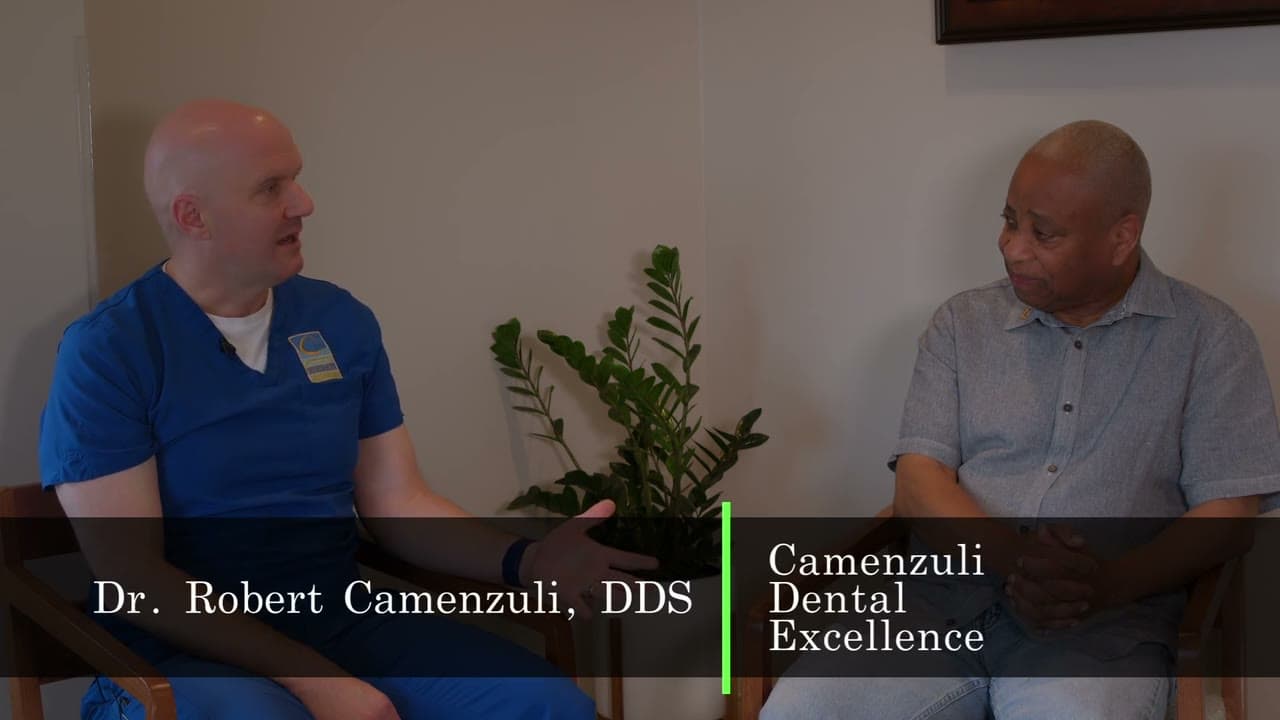
Dr. Camenzuli on treating people rather than teeth, and why he often recommends braces even when a patient comes in asking for clear aligners.
October 13, 2026 · 4 min read
Reviewed by Dr. Robert A. Camenzuli, DDS on October 13, 2026
Because people believe other people. Dr. Camenzuli introduces patients who are weighing a decision to patients who have already been through it, on the view that trust has to come before treatment. As he puts it, unless they know how much he cares, they do not care how much he knows.
“I know that I’m not just treating teeth,” Dr. Camenzuli says. “I’m treating people.”
“People can trust people when they are genuine, and they can share their experiences. They trust more, and they’re more comfortable. And it’s a connection. That human to human connection, I think, is key.”
He is direct about why that matters more in dentistry than it might elsewhere. “I work in the mouth. It’s a very intimate space. It’s a very scary space for people. So unless I establish that connection to the person first, unless they know how much I care, then they don’t care how much I know.”
That is why, when someone is weighing a decision, he would rather they heard it from a patient who has already made it than from him.
The thing people are actually worried about
The patient in this conversation had worn braces as an adult, and the fear that nearly stopped him turned out to be unfounded. Nobody looked, and nobody made fun of him. Over the whole course of treatment, one person mentioned it.
It is the worry Dr. Camenzuli hears constantly. “A lot of patients come to me and they say they want aligners. They don’t want to wear braces, because they’re worried about how it’s going to make them look or how other people feel.”
His answer is short. “Most people just have enough going on in their lives that it doesn’t matter.”
Why he often recommends braces anyway
He is equally direct about the clinical side of it. “I know that using braces is the most effective and quickest. And I can control the outcome and not have to worry about if the patient is going to wear the aligners or not.”
Aligners only move teeth while they are actually in your mouth. Braces do not ask you to remember anything.
What it is worth afterwards
The patient’s own summary of it was plain enough: any improvement makes you feel better. His bottom teeth had been the crooked ones, and he simply found it an improvement to look at them.
“Part of our mission statement is to deliver healthy, confident smiles,” Dr. Camenzuli says, and he hears the same thing from others once treatment is behind them. What they report back is confidence.
ready to begin
Ready to come in?
Book online or call, and we'll take it from there.